Paper Box Packaging 2026: Why Brands Are Adding a Three-Sample Qualification Gate Before Mass Production
A 2026 procurement update on paper box packaging: how dieline, production-intent and shipment samples reduce fit, finish and documentation surprises.
# Paper Box Packaging 2026: Why Brands Are Adding a Three-Sample Qualification Gate Before Mass Production
Executive Summary
Paper box packaging buyers are formalizing a practical three-sample qualification gate before they release a large production order. This is not a universal industry standard or a promise that every project follows the same sequence. It is a clear way to separate structural approval, decoration approval and logistics approval so that a low-cost change is not discovered after cartons have already been produced.
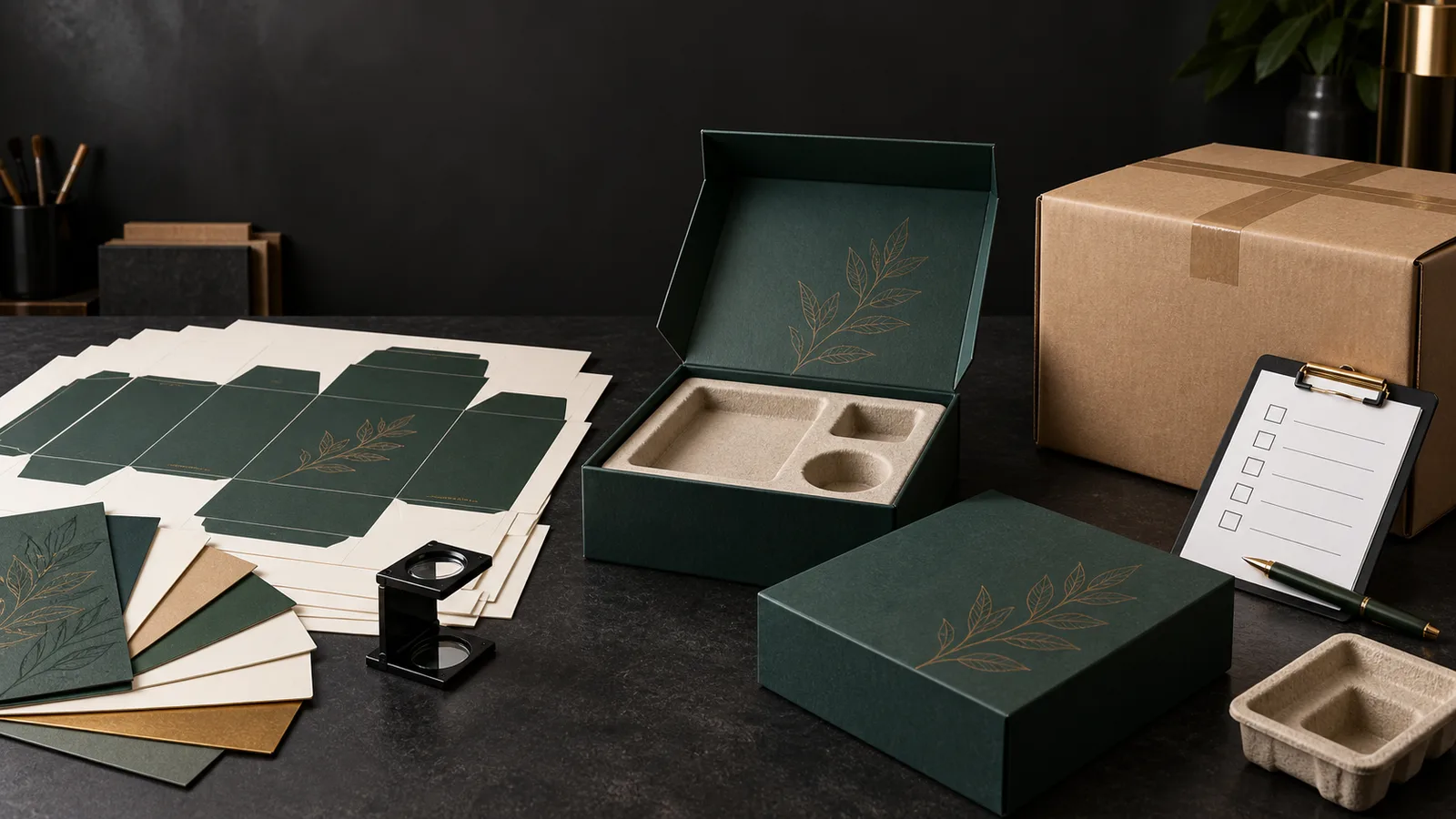
The three checkpoints are a dieline or blank-board sample, a production-intent decorated sample and a packed shipment sample. The first confirms dimensions, folds, grain direction and insert clearance. The second confirms the actual paperboard, printed color, coating, foil, embossing, adhesive and closure behavior. The third tests the packed configuration that will move through a warehouse, parcel network or retail replenishment route.
For a new project, buyers can use the custom packaging procurement hub, review rigid box structures, compare custom corrugated mailer boxes, and request supporting information through the quality and evidence pages.
Key Takeaways
- Validate the paper box structure and product fit before spending on premium decoration. - Use a production-intent sample to approve the materials and finish that will actually run on press. - Test inserts, closure force and packed dimensions together; they affect both presentation and freight cost. - Record the approved sample, revision code, tolerances and inspection photos in one procurement file. - Treat environmental, safety and performance statements as order-specific claims that require the right documentation.
Why the paper box conversation is changing
A paper box can look simple in a product photograph while containing several linked engineering decisions. The board grade affects stiffness and crease behavior. The wrap paper affects color, scuff resistance and the way a fold looks at a corner. An insert changes the available internal height and can transfer force to a bottle, jar, accessory or jewelry piece. A coating can change how the box feels and how it should be separated at end of life.
When these decisions are approved only from a screen rendering, the production team may be working from assumptions that the buyer never intended. The three-sample gate gives the buyer a physical record at each point where risk changes. It also makes conversations between brand, packaging designer, converter, quality team and freight partner more precise.
Gate one: dieline and blank-board sample
The first checkpoint is intentionally plain. It can be a white blank, a printed dieline or a board mock-up without the final wrap. Its job is to prove the architecture before the project spends time on decoration.
Check the finished internal length, width and height against the product, including caps, closures and protective sleeves. Confirm the panel sequence, score positions, fold direction and grain direction. A rigid box that is dimensionally correct can still feel wrong if the lid bows, the hinge fights the opening motion or the insert contacts the product too tightly. For a mailer, check the tuck, dust flaps and crush zones. For a drawer box, check the friction between the drawer and sleeve through repeated cycles.
The buyer should also confirm the insert envelope at this stage. A bottle may need clearance for glass variation, while a jewelry tray may need room for a clasp or anti-tarnish lining. Measure the product and the insert together rather than approving them as separate parts. Record the sample revision and keep one signed or photographed reference.
Gate two: production-intent decorated sample
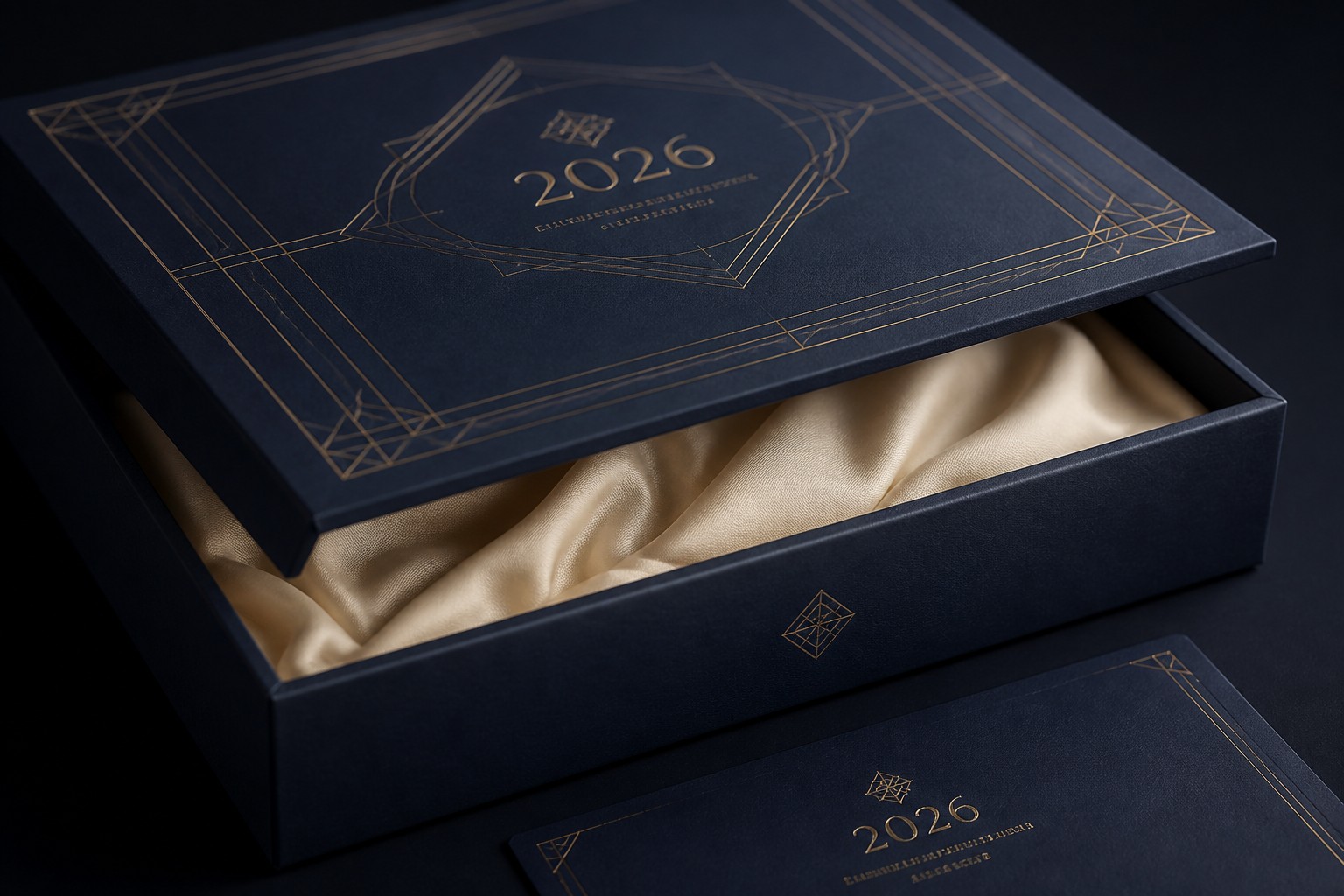
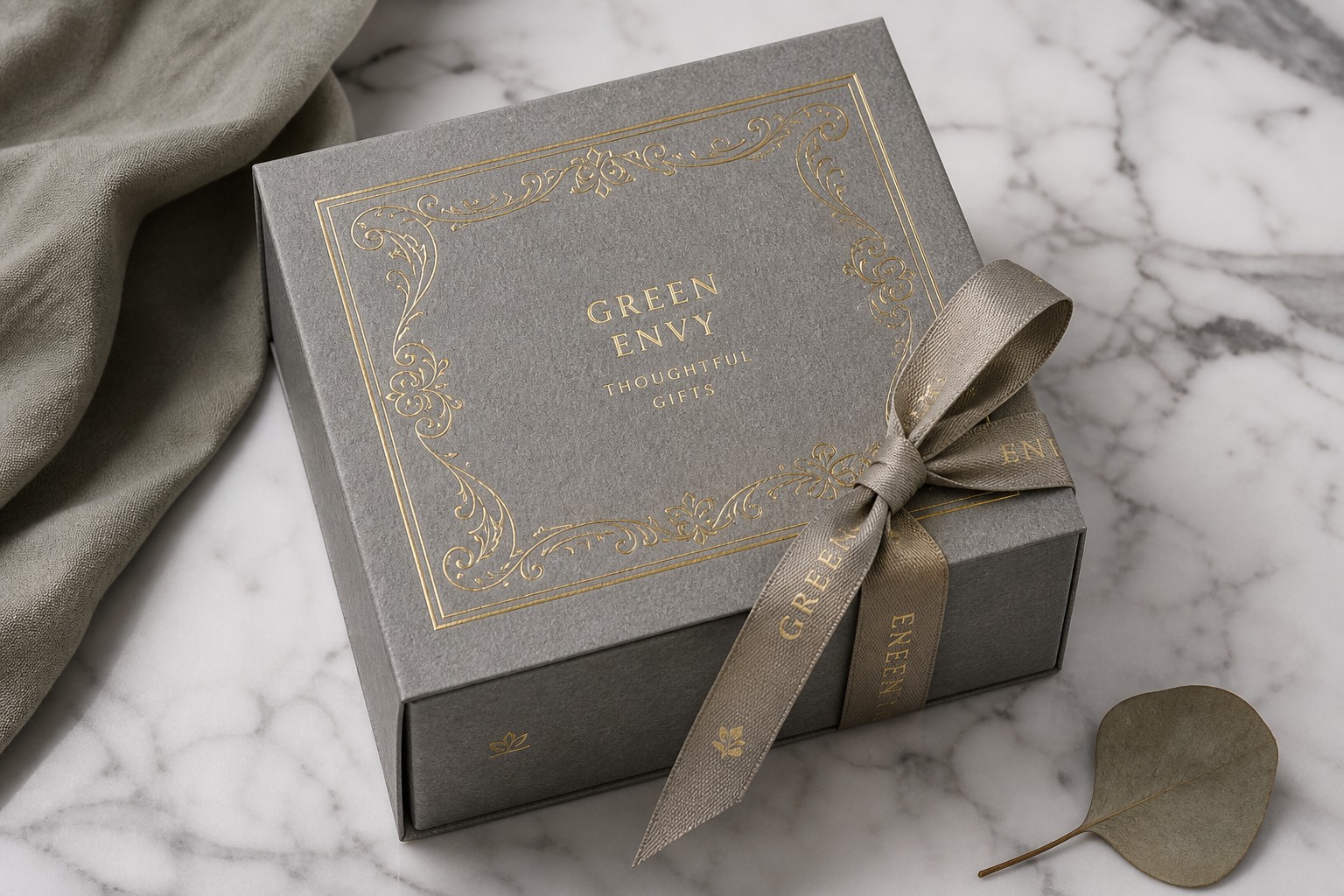
The second checkpoint answers a different question: will the finished paper box look and feel like the approved design when it uses the materials and processes intended for production? This sample should be made with the closest practical board, wrap paper, ink system, coating, foil, embossing, magnet or adhesive specification. A digital print on a substitute substrate is useful for layout, but it should not be treated as the final appearance approval.
Review color under a consistent light source and note the reference used by the project. Inspect dark areas, fine type, foil registration, embossing depth, corner wrapping and the transition between coated and uncoated areas. Open and close the box repeatedly. Listen for unwanted rubbing or rattling, feel the resistance of the lid and confirm that the product remains centered after the insert is installed. If a magnetic closure is used, check alignment and whether the magnet is hidden cleanly beneath the liner.
One production-intent sample should be retained as the visual and tactile reference. If a component is substituted later, the change should be recorded and re-approved rather than silently treated as equivalent.
Gate three: packed shipment sample
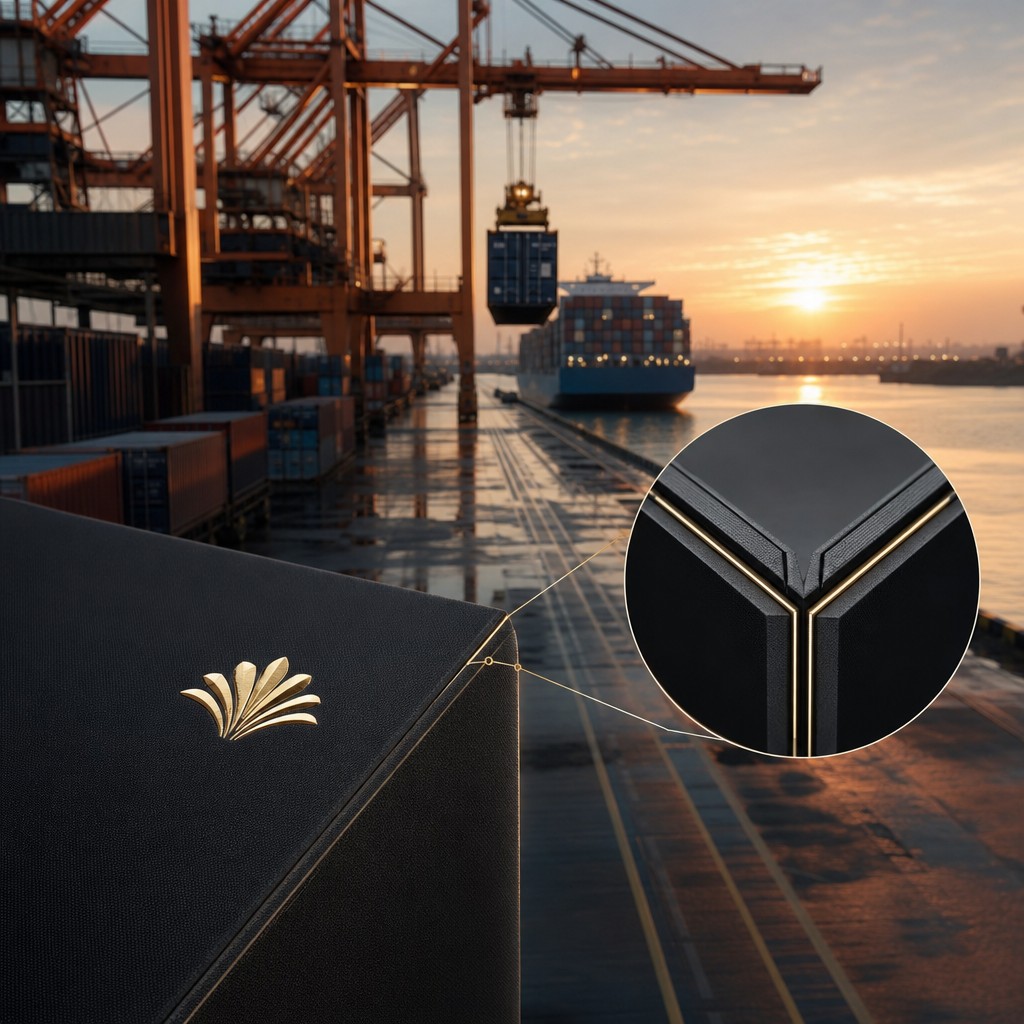
A beautiful empty box can still fail when it is packed for shipping. The third checkpoint places the approved product, insert, accessories and outer carton into the configuration that will travel. Measure the packed outside dimensions and gross weight, because both can change the freight class, parcel charge and warehouse slot.
Inspect edge protection, void space, lid security and the contact points between the product and the insert. For e-commerce, the team may add a corrugated shipper or paper cushioning around the presentation box. For retail replenishment, the same presentation box may be packed in a master carton with dividers. The qualification sample should reflect the real configuration, including labels and orientation marks that a fulfillment team will use.
The test plan does not need to be identical for every product. A heavy glass bottle, a small jewelry item and a lightweight cosmetic accessory face different risks. Define the relevant drop, vibration, compression, humidity or handling checks with the buyer and logistics partner, then record observations rather than relying on a general pass statement.
Paperboard insert choices
Insert selection is a fit and protection decision as well as a presentation decision. Molded fiber can create a tailored cradle for bottles and jars, while wrapped paperboard partitions can offer a clean premium appearance for sets. Cellulose-based cushions and folded board structures can reduce loose components, but they still need to be checked for compression, moisture exposure and surface transfer.
There is no universal best insert. Compare the product weight, center of gravity, fragility, surface finish, assembly labor and disposal route. A tightly fitted insert may protect a product in a drop test but create a difficult customer opening experience. A loose insert may look elegant in a studio photograph but allow movement during parcel handling. Approve the insert with the packed shipment sample, not as a detached component.
Coatings, foil and recyclability decisions
Finish choices should be discussed together with the underlying paperboard and the intended disposal route. Ask what substrate, coating, lamination, adhesive, foil, magnet and insert materials are in the approved specification. A surface treatment that improves scuff resistance may require a different recycling conversation from an uncoated paper wrap. A magnetic closure or mixed-material insert can also affect how a local facility handles the finished package.
Use precise, project-specific language in product copy and procurement documents. Do not turn a preferred material into a blanket environmental guarantee without evidence for the actual construction and destination market. The evidence library can help teams organize supporting documents, while the brand facts page provides a concise reference for capabilities and claims that have been reviewed.
How procurement teams record the approval
A practical approval file can fit on one page plus photographs. Include the project name, sample revision, finished dimensions, board or paper specification, insert description, decoration notes, closure details, packed dimensions, gross weight and inspection date. Add the names of the people who approved structure, appearance and shipment configuration.
Keep a photo of the open and closed box, the insert in place, the product packed, the carton label and any measured damage after testing. If the artwork, board grade, adhesive, magnet or insert changes, issue a new revision rather than editing an old approval silently. This simple discipline makes a quote easier to compare and gives production and inspection teams a common reference.
What changes for cosmetics, jewelry and e-commerce
Cosmetics packaging often combines heavy glass, small closure components and a strong demand for shelf color consistency. The first sample should focus on fit around the bottle or jar, the second on the tactile finish and printed color, and the third on drop and vibration behavior in the parcel configuration.
Jewelry boxes need a different balance. Anti-tarnish lining, soft contact surfaces and a drawer or lift-off opening can matter more than a high-gloss exterior. Check that ribbons, trays and clasps do not pull against the product during repeated opening cycles.
E-commerce adds a freight and handling layer. Presentation boxes may need a separate shipper, corner protection or a flatter format. Confirm the packed size before the quote is finalized and make sure the customer-facing opening sequence still works after the protective shipper is removed.
What this means for quote requests
A useful paper box packaging request for quotation includes product dimensions and weight, estimated quantity, destination, structure, board or paper preferences, artwork status, insert requirements, decoration, closure, target date and documentation needs. Add whether the package will be shipped individually, packed in a master carton or placed on a retail pallet.
The more clearly these inputs are listed, the less a supplier needs to price from assumptions. Start with the procurement checklist, then link the structural reference, quality expectations and evidence needed for the project. A quote is not a substitute for a qualified sample; it is the commercial starting point for the sample and approval process.
Conclusion
The three-sample qualification gate gives paper box packaging projects a clear order of decisions: structure first, production-intent decoration second and real-world shipment configuration third. It cannot remove every manufacturing or logistics risk, but it makes the important assumptions visible before mass production. The final control remains the approved specification, the retained reference sample and the inspection plan agreed for the order.
FAQ: Paper Box Packaging Qualification
What are the three samples in a paper box packaging qualification gate?
The first is a dieline or blank-board sample, the second is a decorated production-intent sample, and the third is the packed shipment sample. The exact sequence can change with the project.
Do paper box packaging buyers need a physical sample before ordering?
A physical sample is strongly recommended for structural fit, color, finish, insert clearance and opening behavior. For simple repeat orders, a previously approved reference may be enough if the specification has not changed.
Which paperboard insert is best for cosmetics or jewelry?
There is no universal best insert. Molded fiber, wrapped paperboard and other options should be compared against product weight, finish, moisture exposure, protection and presentation requirements.
How should recyclability claims be verified?
Ask for the substrate, coating, lamination, adhesive, magnet and insert details, then confirm the intended disposal or recycling route for the destination market. Evidence is order-specific.
What information should be included in a paper box packaging RFQ?
Include product dimensions and weight, quantity, destination, box structure, paperboard or material preferences, artwork, inserts, target date and documentation needs. Use the [packaging procurement hub](/topics/custom-packaging-procurement) as a checklist.
LuxePack Pro Strength
- FSC certified forest stewardship raw materials
- ISO 9001:2015 premium quality control standards
- Daily production output: 150,000+ rigid boxes
- Standard OEM/ODM sampling within 3 - 5 days