The Definitive Guide to Custom Gift Packaging: Elevating Brand Prestige Through Structural Artistry
Turn the guidance into a production brief
Send your product size, quantity, destination and target date for a structured packaging recommendation and quote.
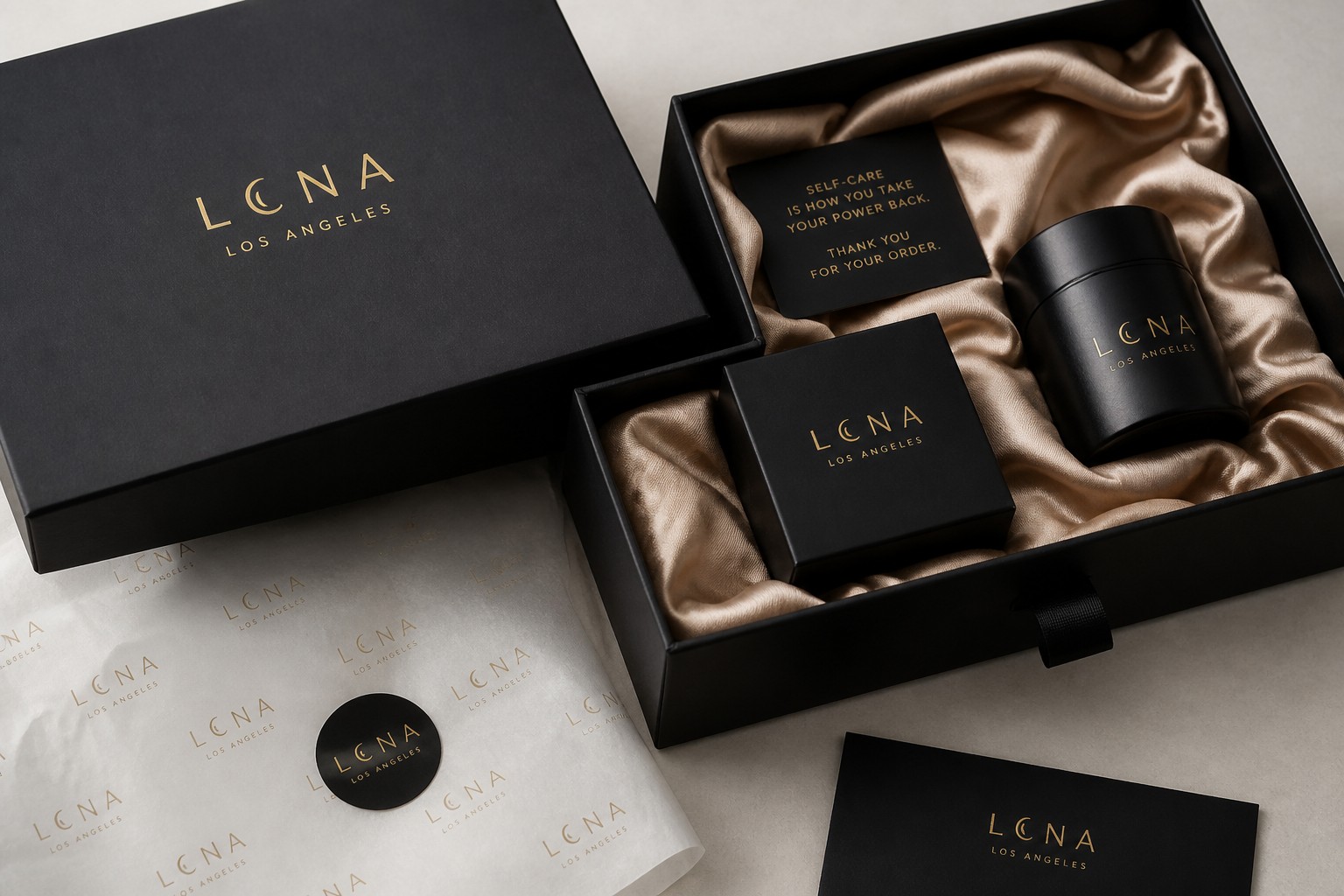
The Definitive Guide to Custom Gift Packaging: Elevating Brand Prestige Through Structural Artistry
Custom gift packaging refers to the bespoke design and production of decorative enclosures tailored specifically to a brand’s aesthetic and functional requirements. These tailored solutions serve as a critical physical touchpoint that bridges the gap between digital discovery and tangible brand ownership.
The Psychology of the Unboxing Ritual: Why Presentation Dictates Brand Loyalty
In the modern commerce landscape, the product itself is often only half of the purchase experience. The moments leading up to the reveal—the tactile sensation of the paper, the sound of a ribbon being pulled, and the structural integrity of the box—form a psychological bridge between the consumer and the brand. This ritual, often referred to as the "unboxing experience," is a powerful driver of brand prestige and long-term customer retention.
When a customer receives a package, their brain begins processing signals of value before the item is even visible. **Custom gift packaging solutions** leverage this by using weight, texture, and visual cues to signal "premium." A flimsy, generic mailer suggests a commodity; a high-density rigid box with a metallic logo suggests an heirloom. For brands aiming to build a high-status image, every layer of the packaging must reinforce the narrative of quality.
Psychologically, the unboxing ritual triggers dopamine release. By slowing down the reveal through multiple layers—tissue paper, stickers, inserts, and structural compartments—brands extend the peak of consumer excitement. This attention to detail transforms a simple transaction into a memorable event, encouraging social sharing and word-of-mouth marketing that feels organic rather than forced. In a world of digital saturation, the physical touch of **premium unboxing experience** components is what builds lasting emotional connections.
Structural Engineering: From Drawer Boxes to Ribbon-Tied Rigid Structures
The physical form of a package is the foundation of its appeal. Structural artistry is not merely about aesthetics; it is about the engineering of anticipation. Different structures evoke different emotions and serve distinct functional purposes.
The Elegance of Drawer Boxes
Drawer Style Boxes have become a hallmark of sophisticated branding. The sliding mechanism mimics the opening of a fine jewelry case or a high-end apothecary cabinet. This structure provides excellent protection for delicate items while offering a smooth, controlled opening experience.
Rigid Box Foundations
Rigid boxes (also known as set-up boxes) represent the pinnacle of **wholesale luxury gift boxes**. Unlike folding cartons, rigid boxes are constructed from thick paperboard and do not collapse. This provides a sense of permanence. Many luxury brands use these as permanent storage solutions for their customers, keeping the brand’s logo in the consumer’s home for years.
Ribbon-Tied and Magnetic Closures
To add a layer of classical elegance, ribbon-tied rigid structures are often employed. The act of untying a Custom Velvet Ribbon Gift Box forces the customer to slow down and appreciate the craftsmanship. Alternatively, magnetic closures offer a modern, satisfying "snap" that communicates high-tech precision.
Material Innovations 2026: Eco-conscious Luxury Fibers and Biodegradable Inserts
As we look toward 2026, the definition of luxury is shifting. Prestige no longer comes at the cost of the environment. **Sustainable branding** is now a prerequisite for high-end markets, leading to incredible innovations in material science.
Eco-Conscious Luxury Fibers
We are seeing the rise of "Paper-Leather"—a FSC-certified cellulose material that mimics the texture of premium animal hides but is entirely plant-based and recyclable. Other innovations include mycelium-based coverings and papers made from upcycled textile waste.
Biodegradable and Molded Pulp Inserts
The plastic "blister pack" is being replaced by high-end molded pulp and biodegradable foam inserts. These can be flocked with natural fibers to create a velvet-like texture, ensuring that the internal protection of the product is just as luxurious as the exterior shell.
Customization Techniques: Spot UV, Embossing, and Gold Foil Stamping
Visual and tactile embellishments are where a brand’s identity truly shines. Customization is the difference between a box and a Custom Premium Packaging masterpiece.
Gold and Silver Foil Stamping
Foil stamping uses heat and pressure to apply a thin layer of metallic foil to the surface. It provides a level of brilliance that standard ink cannot achieve. It reflects light in a way that immediately draws the eye and signals "gold standard" quality.
Embossing and Debossing
These techniques create three-dimensional depth on the packaging surface. Embossing raises the design, while debossing presses it into the material. The tactile nature of a raised logo encourages the customer to touch the package, engaging another sense in the brand experience.
Supply Chain Strategy: Balancing MOQ with Unit Cost for Growing Brands
For many growing brands, the transition to custom packaging is a logistical challenge. The key is understanding how to navigate the supply chain without overextending capital.
Understanding MOQ (Minimum Order Quantity)
Manufacturers of high-end packaging typically require MOQs ranging from 500 to 2,000 units. This is due to the intensive setup process required for custom dyes, foils, and structural assembly.
Strategic Sourcing
Many brands utilize a tiered strategy: high-volume core packaging for their main product line and smaller runs of limited-edition boxes for holidays or collaborations.
FAQ: B2B Custom Packaging Solutions
What is the typical lead time for a fully custom rigid box order?
For wholesale orders, the standard lead time is 4 to 6 weeks for production following sample approval. International shipping can add another 3 to 4 weeks depending on the mode of transport.
How do custom inserts affect the overall unit cost?
Custom inserts typically add 15% to 30% to the unit cost. However, they are essential for reducing damage rates and enhancing the **premium unboxing experience**.
Can sustainable materials achieve the same level of luxury as traditional coatings?
Absolutely. Modern eco-friendly papers and vegetable-based inks can achieve vibrant colors and deep textures while remaining fully recyclable.
Is it possible to order a physical prototype before mass production?
Yes, most professional manufacturers provide a pre-production sample (PPS). This allows you to verify the structural integrity and color accuracy.
What information is required to receive an accurate quote?
You should provide the internal dimensions, desired structural style, material preferences, customization details, and the expected order quantity.