B2B Sourcing Guide: How to Select and Vet a Custom Packaging Manufacturer in China
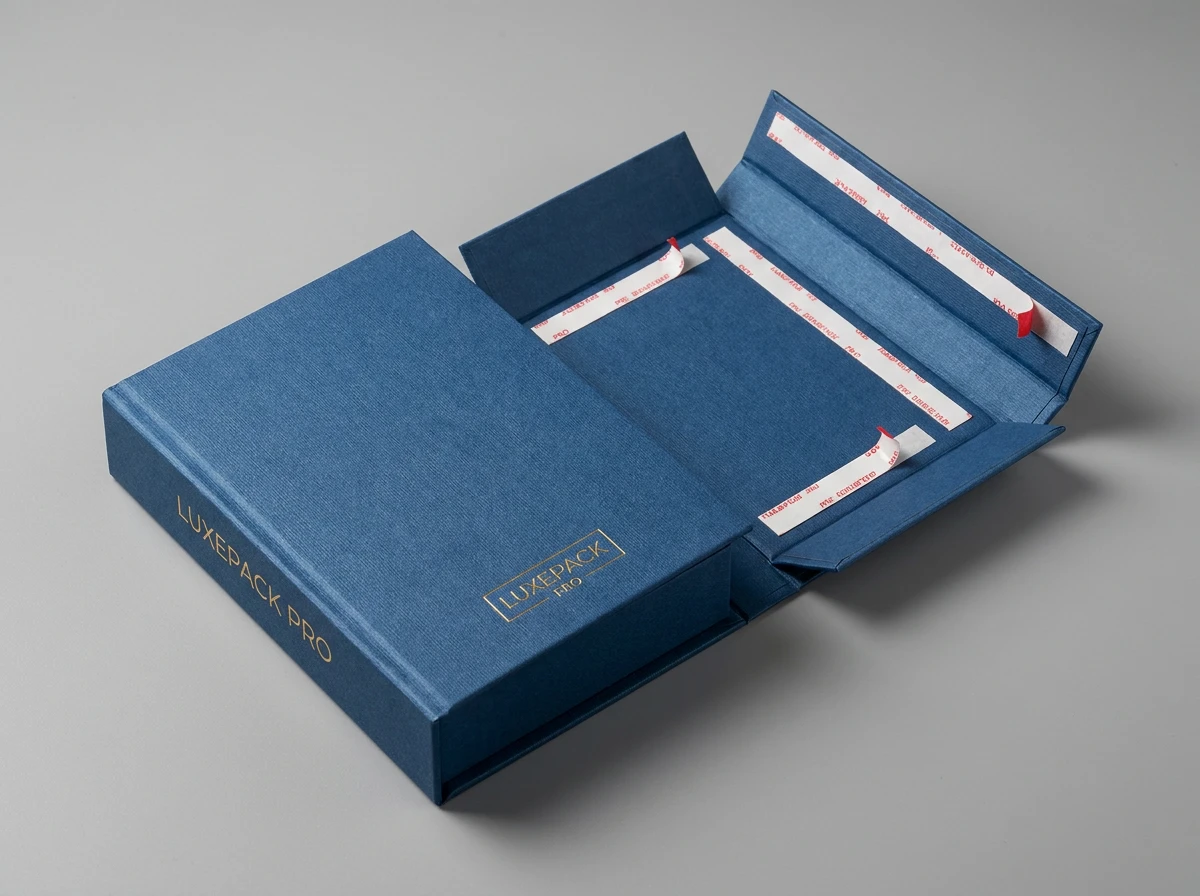
For high-growth e-commerce brands and premium retailers, selecting the right custom packaging manufacturer in China is a critical decision that impacts product safety, unboxing aesthetics, and profit margins. However, with thousands of suppliers claiming to be direct factories on wholesale directories, vetting for genuine manufacturing capabilities, quality control (QC) standards, and ethical compliance can be highly challenging. This B2B sourcing guide outlines the essential parameters and audit checklists to secure a reliable, high-performance packaging partner.
Question 1: How do you verify if a supplier is a direct factory or a trading company? The easiest way is to request their specialized factory certifications. Direct, high-end packaging manufacturers hold official certifications such as ISO 9001:2015 (Quality Management), ISO 14001:2015 (Environmental Management), and Forest Stewardship Council (FSC) CoC (Chain of Custody) certifications. Trading companies rarely hold these proprietary certificates in their own name. Requesting these documents ensures you bypass middlemen and access direct-factory wholesale pricing.
Question 2: What automated machinery should a luxury rigid box manufacturer possess? To produce sharp, clean, high-precision rigid gift boxes at scale, a factory must possess advanced automatic V-grooving machines and automated laminating lines. V-grooving machines cut precise 90-degree channels into heavy greyboard, enabling the crisp, sharp edges favored by luxury cosmetic and watch brands. Factories relying on manual board scoring or outdated die-cutters produce rounded, puffy edges that warp easily. Vetting for automated machinery guarantees consistent structural alignment and rapid 10-12 day lead times.
Question 3: How should you audit a factory's quality control (QC) and drop-testing procedures? High-end packaging must protect fragile contents—such as glass perfume bottles, heavy ceramic cosmetics jars, or delicate jewelry. A reliable manufacturer must have an on-site testing laboratory equipped with drop-testing rigs, compression testers, and environmental humidity chambers. Vetting their QC process involves ensuring they perform a two-stage manual inspection (checking for paper alignment, glue bubbles, magnet snap strength, and hot-foil registration) alongside automated drop-tests on custom EVA or molded pulp inserts before shipping.
Question 4: What are the key milestones in the custom box prototyping and sampling workflow? A professional direct-to-brand factory should offer a clear, structured prototyping workflow. This begins with delivering free, customizable 2D die-line templates within 24 hours of receiving your design files, followed by generating 3D digital renderings for visual approval. The physical sampling stage should take no more than 3-5 days for a digital white sample (for size and structure testing) and 5-7 days for a full-color printed pre-production sample. Clear prototyping timelines ensure your bulk production remains on track.
By utilizing this direct Q&A checklist to vet your next custom gift box supplier, you minimize production risks and establish an unshakeable supply chain. LuxePack Pro operates a vertically integrated, ISO-certified, and FSC-certified manufacturing facility, producing over 35,000 premium boxes daily with automated machinery. Contact our B2B sourcing specialists today to receive customized structural die-lines, free digital 3D mockups, and transparent tiered wholesale quotes within 12 hours.