Paper Box Packaging for Gift Sets: How Modular Inserts Improve Fit, Fulfillment, and Unboxing
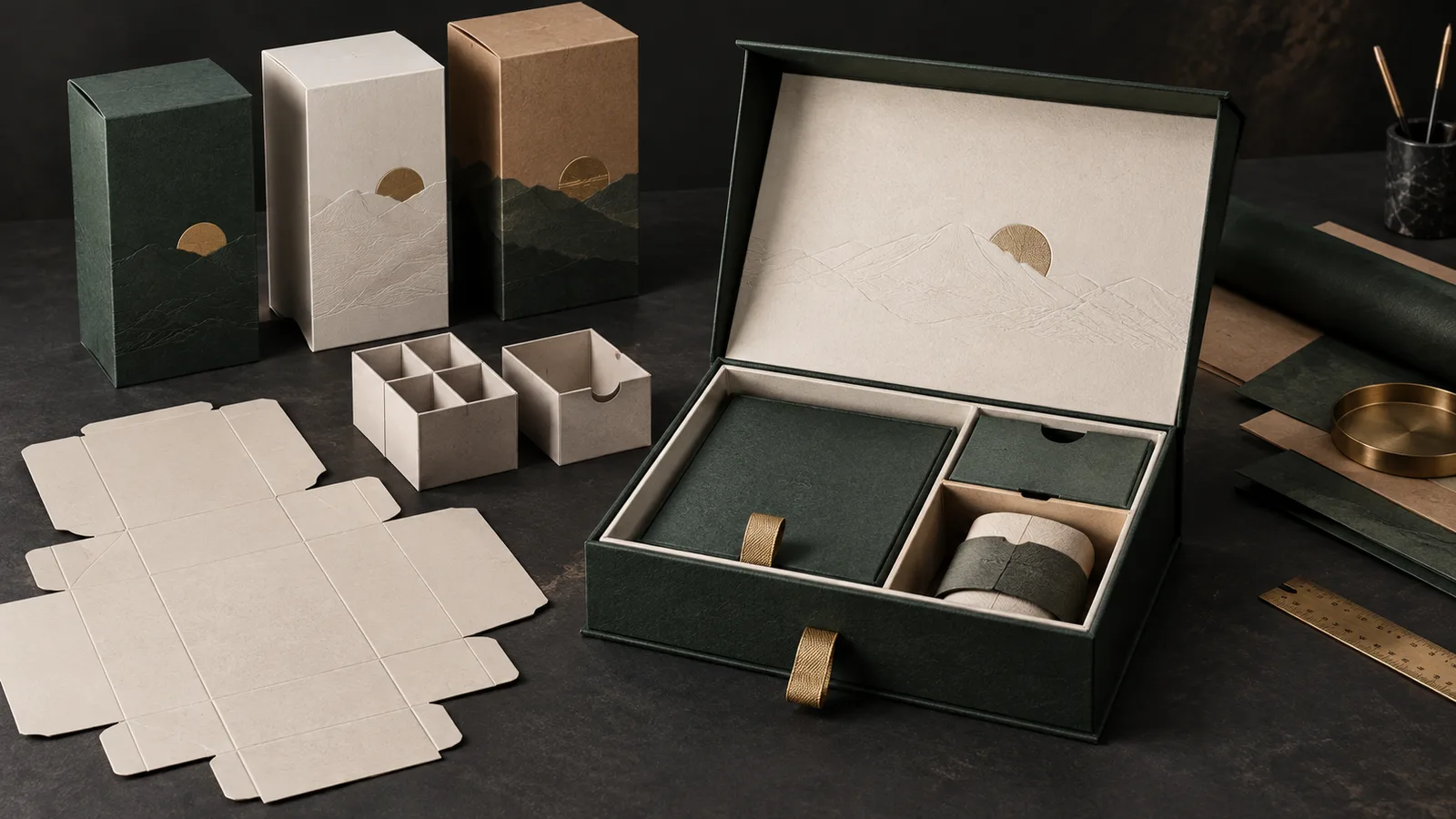
Paper Box Packaging for Gift Sets: How Modular Inserts Improve Fit, Fulfillment, and Unboxing
Executive Summary
Gift sets create a packaging problem that a single-product box does not: several different items must look intentional, stay protected and be packed consistently even when the assortment changes. A modular paper box packaging system solves that problem by separating the outer presentation box from removable paperboard inserts, dividers and product-specific cradles.
The best modular system is not simply a box with more compartments. It is a documented architecture with a stable outer footprint, a defined insert envelope, repeatable pick-and-pack steps and a clear approval sample. This approach lets a brand launch a seasonal set, swap one product or add a smaller accessory without redesigning every layer of the package.
This guide explains how to plan the structure, choose paperboard inserts, control tolerances, test fulfillment and write a useful request for quotation. For related structures, compare rigid boxes, custom corrugated mailer boxes, and the custom packaging procurement hub.
Key Takeaways
A modular insert should lock into a repeatable datum inside the outer box, so every product sits in the same visual position.
Approve the product, insert and closure as one packed system; a component that works alone may fail when assembled.
Design the insert family around the largest and most fragile SKU first, then use spacers or dividers for smaller products.
Record assembly time, packed dimensions and gross weight before finalizing a quote or fulfillment labor plan.
Use specific material and disposal language, supported by order-level documentation, instead of broad environmental promises.
Why gift sets need a modular paper box system
A gift set usually combines products with different dimensions, weights and handling risks. A glass serum bottle may require a deep cavity and neck clearance, while a folded textile, candle, card or accessory needs a shallow compartment. If each item is positioned independently, the layout can drift from one packer to the next. That drift creates a presentation problem and can let products touch during transit.
A modular system establishes a repeatable relationship between the box, the insert and the contents. The outer structure provides the shelf and unboxing identity. The insert controls spacing and protection. Optional components can be changed without changing the lid, hinge, sleeve or exterior wrap. This is particularly useful for seasonal assortments, influencer kits, holiday bundles and multi-market launches where the same outer package serves several product combinations.
The modular principle also supports clearer procurement. Instead of requesting a vague “gift set box,” the buyer can specify an outer box, an insert family, a packing sequence and a sample for each configuration. Suppliers can then quote the parts and the assembly work with fewer assumptions.
Start with the product matrix, not the artwork
Before drawing a dieline, list every product that may appear in the set. Record finished length, width, height, weight, center of gravity, surface sensitivity and the direction in which the customer should see it. Include caps, pumps, ribbons, protective films and any secondary carton that will remain with the product.
Mark the “must not touch” zones. Glass shoulders, polished metal, printed labels and soft-touch surfaces often need a controlled clearance from the divider. Also mark the parts that can bear load. A rigid base can support a bottle, but a decorative lid or a thin paper sleeve should not be used as a structural brace.
Create a simple matrix with three columns: fixed dimensions, variable dimensions and presentation priority. Fixed dimensions drive the outer box. Variable dimensions drive the insert options. Presentation priority determines which face or label is visible when the lid opens. This matrix becomes a useful reference for the quality team and for future artwork revisions.
Choose the outer structure for the use case
A rigid lift-off lid or magnetic box suits a premium unboxing ritual and can be kept as a reusable keepsake. A drawer structure adds a controlled, furniture-like opening motion but requires careful sleeve tolerances. A collapsible rigid box can reduce inbound volume when the fulfillment team has the labor and equipment to assemble it. A corrugated mailer may be the better choice when parcel protection and low shipping volume are more important than a permanent keepsake structure.
The outer structure should be sized around the complete insert, not around the product alone. Leave room for the insert wall, hand clearance and any protective paper wrap. Avoid adding empty height simply to make a box feel larger; unused space can increase freight cost and make the contents move. The shipping volume calculator can help compare packed dimensions before the structure is finalized.
Design the insert around a stable datum
A datum is the fixed reference surface that controls where the product sits. In a gift set, the datum can be the bottom of the insert, a shoulder rail, a folded divider or a paperboard platform. Every cavity should reference that same surface. Without a common datum, small differences in cavity depth accumulate and one product can appear higher or lower than its neighbor.
For folded paperboard inserts, use interlocking slots, tabs or a wrapped tray to hold the grid square. For molded fiber, define the outer wall, cavity depth and anti-rotation features in the drawing. For a fabric-wrapped board insert, specify the wrap direction and the return under each edge so that the visible seams stay consistent. The goal is not maximum complexity; it is a simple structure that a packer can assemble without interpretation.
Where the product is heavy, spread the load over a broad base rather than concentrating it on a narrow tab. Where the product is fragile, add a positive stop that limits movement without creating a hard pressure point. Photograph the insert empty and fully packed so production can compare the physical result against the approved reference.
Paperboard insert options and trade-offs
Folded paperboard dividers are efficient for sets with regular shapes. They are lightweight, easy to flat-pack and can be printed or wrapped, but they need sufficient board caliper and locked joints to resist bowing. Wrapped rigid-board partitions provide a more substantial luxury feel and can create clean color blocking, although they add material and assembly time.
Molded fiber is useful when a bottle or jar needs a shaped cradle. Its surface, compression behavior and moisture exposure should be tested with the actual product. A paperboard platform combined with a small molded or folded cradle can be a sensible hybrid when only one item needs precise geometry.
There is no universal “best” insert. Compare protection, presentation, labor, storage volume, repeatability and the intended disposal route. If a design includes magnets, foam, fabric or a mixed-material coating, list each component in the specification and obtain the relevant documentation through the project evidence process.
Control fit, clearance and opening behavior
A gift set can look correct when it is static and still feel wrong during opening. Check whether the lid contacts the tallest product, whether a ribbon catches on a divider and whether the customer can remove the first item without lifting the entire insert. For a magnetic closure, make sure the force does not pull a lightweight divider out of position. For a sleeve or drawer, verify that the insert does not scrape the inner walls during repeated cycles.
Use a tolerance table rather than one broad “fit” statement. List the nominal internal dimension, the acceptable product variation, the insert clearance and the location of any controlled contact. A small clearance may be right for a rigid bottle cradle but wrong for a printed paper sleeve that can swell in humidity. Approve the tolerance with a production-intent sample made from the intended board and wrap materials.
Test the pack-out sequence in the warehouse
Packaging design and fulfillment design should be reviewed together. Ask a packer who did not create the prototype to assemble the set from a written instruction and a small batch of components. Measure the time to square the insert, load each product, add the card or tissue and close the box. Note where the packer has to rotate the box, search for a hidden tab or apply force.
Then repeat the sequence at least several times. A robust design produces the same visual result without special judgment. If the first item must be inserted last, document that order. If an accessory can sit in two orientations, add a clear stop or printed assembly cue. These small changes reduce rework and make a seasonal launch easier to scale.
Test the packed shipment, not only the empty box
For parcel shipments, the packed sample should include the actual product weight, insert, accessories and any protective shipper. Record the outside dimensions and gross weight because they affect shipping charges, cartonization and warehouse locations. Inspect the corners, hinge, divider joints and product contact points after handling.
The test plan should match the route and product risk. A heavy glass bottle may need a different compression and drop sequence from a lightweight textile set. A retail replenishment carton may need dividers that a direct-to-consumer parcel does not. Use observations and photographs in the approval file; a general “passed” note is not enough to explain what was tested.
Make the system work across SKUs
Modularity is valuable only when the insert variants share a meaningful common platform. Keep the outer box, lid, hinge and closure constant where possible. Change only the removable tray, divider or small spacer. Give each configuration a distinct revision code and a simple visual identifier so that the fulfillment team cannot accidentally combine the wrong insert with the wrong artwork.
For a family of products, design the largest cavity first and use controlled fillers for smaller items. Do not force a small product to share a cavity designed for a much heavier item if that creates movement. A separate insert may cost slightly more than a universal cavity, but it can reduce damage, packing time and customer complaints.
Materials, finishes and end-of-life language
The outer wrap, insert and closure should be considered as one material story. Uncoated textured paper can communicate a natural premium feel, while a water-based coating may improve scuff resistance. Foil and embossing can add hierarchy without covering every surface. The correct choice depends on the product, handling route and desired tactile experience.
Use precise language in the specification. Identify the board, wrap paper, coating, adhesive, fabric, magnet and insert material. Then confirm the intended disposal or recycling route for the destination market. A preferred paper does not automatically make a complete mixed-material package recyclable everywhere. Order-level evidence should support any claim made on the box or product page; the evidence library is a useful place to organize those records.
What to include in a paper box packaging RFQ
A useful request for quotation includes the product matrix, target quantities by SKU, destination, outer structure, internal dimensions, insert concept, artwork status, finish, closure, packed dimensions, master-carton preference and target ship date. State whether the supplier should quote sampling, assembly, inspection, export cartons and delivery separately.
Include photos or drawings of the product with a scale reference. Explain which components may change between seasons and which parts must remain common. Ask for a structural blank, a production-intent decorated sample and a packed shipment sample. This sequence gives the buyer a clear decision path and makes later revisions easier to price.
Conclusion
Modular paper box packaging gives gift-set brands a practical way to protect product fit, maintain a consistent reveal and adapt the assortment without rebuilding the entire package. The system works best when the insert is engineered from a product matrix, approved with the outer structure and tested by the real fulfillment and shipping teams.
The most useful next step is to turn the chosen configuration into a concise specification with a revision code, retained sample, pack-out instructions and evidence file. That record makes the next seasonal order faster to compare and easier to inspect.
FAQ: Modular Paper Box Packaging for Gift Sets
What is modular paper box packaging?
It is a packaging system that keeps the outer presentation box stable while using removable paperboard trays, dividers, spacers or cradles for different product combinations.
Are paperboard inserts strong enough for glass bottles?
They can be, when the board caliper, folded geometry, cavity clearance and load paths are designed for the actual bottle. Heavy or fragile products should be validated with a packed shipment sample.
How many samples should be approved before mass production?
A practical sequence is a blank structural sample, a production-intent decorated sample and a packed shipment sample. The exact number depends on the structure, finish and logistics risk.
Can one outer box support several gift-set SKUs?
Yes. Keep the outer footprint and closure common, then create insert variants with distinct revision codes and clear fulfillment instructions.
What should a supplier receive for an accurate quote?
Provide product dimensions and weight, SKU quantities, destination, outer structure, insert requirements, artwork, finishes, packed dimensions, target date and documentation needs. A product matrix and photos with scale references are especially helpful.